
GPS Asset Tracking: GPS Tracker, Tracking Device, Tracking Software, Fleet
We can track any asset, any size.
GPS Asset Tracking Solutions, Tracking Device and Tracking Software Platform
Tracking systems have become a critical tool for businesses to track assets and protect their valuable assets. With alerts and GPS devices, you get visibility into the location and status of assets — from vehicles to heavy equipment to shipping containers. Read on to understand why USFT's tracking software solutions are the best GPS choice for your fleet and asset tracking needs in 2026. We offer a complete tracking solution for every organization.
What is Asset Tracking and How Does the Tracking Solution Work?
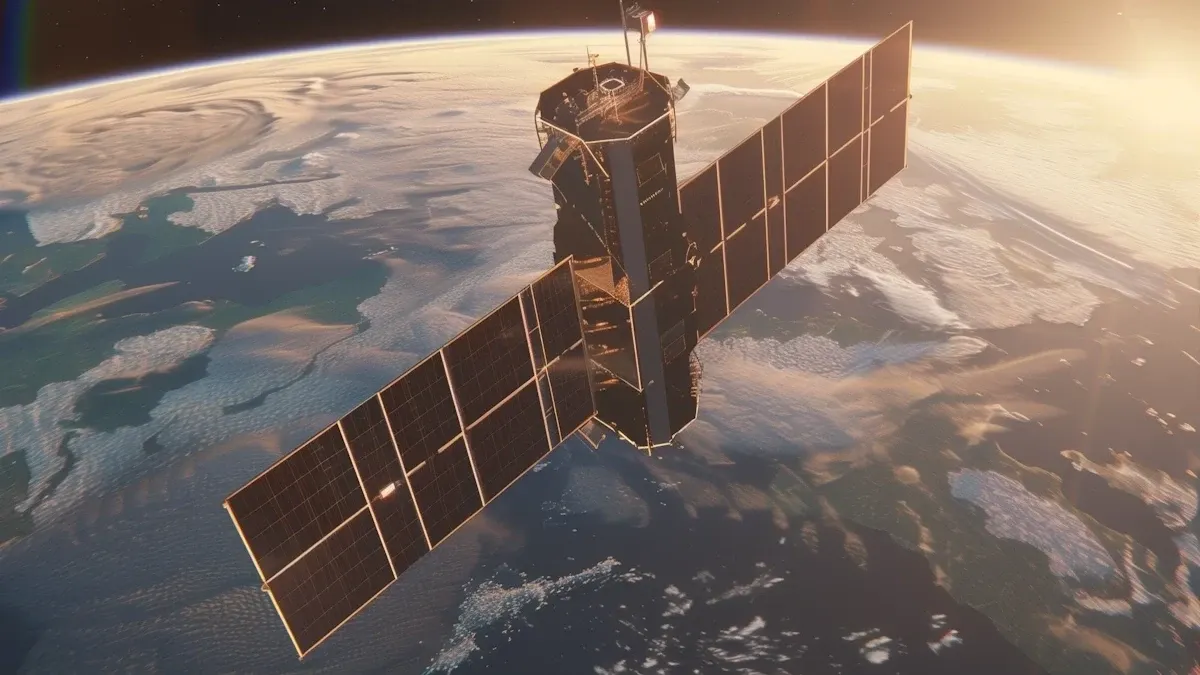
Asset tracking solutions use cellular and satellite networks to track items — including equipment and vehicles of all types, providing years of battery life.
GPS asset trackers are hardware that attach to physical assets like vehicles, trailers, and equipment. Using cellular and satellite networks, these devices transmit location and status data to our tracking software platform. Fleet managers can access GPS tracking solutions through desktop workstations, mobile devices and apps to view locations, create fence locations, and receive alerts.
Most tracking hardware is battery powered and weatherproof for easy installation. Wired devices are also an option for assets with power sources like vehicles. The USFT live tracking device pings our tracking software every ten seconds with real-time updates using cellular connectivity. GPS and GLONASS satellites pinpoint locations within inches.
What are the Benefits of GPS Asset Tracking Software and GPS Tracking Solutions?
1. Prevent Theft and Unapproved Use with Asset Tracking Devices
Asset tracking software solutions provide customer-defined zones that instantly notify you when an asset enters or leaves its assigned area, while tracking enables the recovery of stolen items quickly. This acts as a strong deterrent against theft and gives you peace of mind.

2. Improve Asset Utilization and Equipment Tracking
Detailed reporting using the asset data provides deep insights into asset usage - including running hours, idle time, and engine diagnostics. This allows you to optimize schedules and balance workloads for fleet management and management solutions. Tracking data drives better decisions about asset locations and alerts.

3. Streamline Maintenance with Alert Notifications and Asset Tracking Solution
Maintenance reminders can be scheduled based on runtimes to establish maintenance schedules and improve preventive maintenance. Tracking assets position also enables dispatching the nearest available technician, reducing downtimes.

4. Improve Customer Service and Fleet Tracking Solutions
Tracking from USFleet provides accurate tracking and enables managers to reroute assets closest to a service site. Detailed histories also help verify service level agreements and maintain transparency.

5. Verify Regulatory Compliance with Geofencing
Location monitoring, maintenance logs, and usage histories help prove compliance with regulations about asset parking, servicing intervals, load limits and more. This reduces liability and penalties.

6. Lower Insurance Premiums with GPS Tracker
Insurers recognize tracking as a powerful risk reduction tool. This enables you to negotiate lower premiums, especially for high-value equipment coverage.

What Assets Can Be Tracked with GPS Tracker Device and Asset Tracker?
Tracking devices can keep tabs on virtually every mobile asset from simple tools to oversized vehicles and everything in between. Whether you need to track your assets on the go or monitor stationary equipment, asset tracking technology covers every asset.

1. Vehicle Tracking and GPS Fleet Tracking
From regular cars to trucks, vehicle tracking improves safety, accountability, and customer service. Notifications help deter speeding and prohibited trips while geolocation zones assign allowed operating areas. GPS fleet tracking lets dispatchers know where your assets are at all times, and fleet vehicles benefit from location data on every trip.

2. Trailer Tracking and Non-Powered Assets
Trailers are perfect targets for thieves when detached from trucks. Tracking lets you secure them whether in transit, storage, or rental use. Special reefer devices also maintain temperature logs. A tracking solution gives confidence across your entire vehicle and asset operation.

3. Heavy Equipment Tracking with Long Battery Life
Heavy machinery like excavators, bulldozers, and cranes are hugely expensive and routinely targeted by thieves. Compact battery powered trackers keep them secured without complex wiring, and extended battery options provide long battery life.

4. Container Tracking for Unpowered Assets
Intermodal containers face constant repositioning between ships, trains, and trucks. Tracking provides live visibility over these containers as they move through multiple hands. Asset tracking protects containers from loss or misplacement.

5. Generator Tracking
Theft and misuse can cripple operations when power fails. Asset tracking GPS secures portable generators at job sites and during disasters using digital perimeters and movement status. Track your assets even in remote locations with satellite coverage.

6. Tool Tracking for Equipment and Tools
With tools easily disappearing from job sites, tracking keeps tabs on everything from lawnmowers to welding equipment using simple trackers that meet any tracking needs.
Key Features of Asset Tracking System and Alert Tracking Technology
Asset Location Tracking with GPS Location
Battery-powered devices transmit regular location pings allowing visibility over assets via mobile and web apps. Mapping data is displayed on a dashboard with live GPS updates. The GPS asset tracking system covers both powered and non-powered assets with real-time GPS tracking.
Geofencing, Unauthorized Use Protection, and Location Tracking
A geofence is a virtual perimeter that triggers notifications when an asset enters or exits assigned areas. These alerts protect your assets from theft or misuse.
Device Notifications, Alert System, and Use GPS Tracking
Besides monitoring entry and exit to/from specific perimeters, trackers can send notifications for events like ignition, movement, speeding, low battery and more. Email and SMS messages inform managers immediately.
Reporting, Asset Utilization Metrics, and Asset Tracking Software
In-depth reports provide utilization metrics, stop durations, maintenance status, battery levels, and more. This allows data-driven decisions using tracking data about assets, alerts, and more.
Mobile App and GPS Tracking Software Access
Intuitive mobile apps let you access locations, warnings, and reports on the go. Apps sync tracking data in real time over cellular networks, giving fleet managers GPS tracking software access anywhere.
In Review: Asset Tracking Solution, GPS Tracking Device, and Fleet Management
- Live tracking transmits 24/7 monitoring over valuable business equipment showing every real-time asset location
- Near real-time tracking with the ability to create custom geofences and secure assets from theft
- Detailed data enables increasing asset management and optimizing maintenance
- Managers can access location updates, notifications, and reports via intuitive web and mobile device apps
- Each GPS asset tracking device pings every 10 seconds for up-to-the-minute visibility
- With battery life lasting up to 10 years, modern devices require minimal maintenance
Tracking delivers important operational data along with security and control over high-value assets. For businesses managing fleets, heavy machinery, intermodal containers or remote work sites, tracking is now a necessary management tool for reducing costs and driving growth. USFleetTracking's GPS fleet tracking solution and asset tracking service scale to fit any operation, whether you need to track a single powered asset or an entire fleet.

Frequently Asked Questions
What is the Range of a GPS Asset Tracker?
Most GPS trackers use cellular networks to transmit data. This gives them a 4G coverage range equal to the cell carrier's coverage area which is generally worldwide. Satellite connectivity also provides global coverage.
Can GPS Trackers Work Without Batteries?
Yes, wired units can be connected to a 12-volt power source like a vehicle to operate without batteries. Wired trackers can sometimes limit asset portability. USFleet even offers solar-powered units providing years battery life.
How Accurate Is Asset Position Data with GPS Tracking and Every Asset?
Trackers use GPS and GLONASS positioning satellites that provide accuracy up to 2-5 meters for outdoor locations. Accuracy is lower near tall buildings.
Can Units Detect Unauthorized Equipment Disconnects?
Special units have sensors to detect when equipment is disconnected and notify managers of the disconnect.
How Is GPS Tracking Different from RFID Tracking?
Relying on proximity scanning to monitor assets, RFID has limited range while GPS uses satellites to pinpoint asset position anywhere. GPS has unlimited range while RFID readers have limited coverage.
What Industries Mostly Use Tracking Technology?
Transportation, logistics, construction, mining, oil & gas, and public works organizations with valuable vehicle, equipment and intermodal assets invest heavily in GPS tracking.
How to Install a Tracker Device on Equipment and Valuable Assets?
Most trackers are self-contained, weatherproof units mounted with basic tools or fasteners. Wiring is minimal and external antennas rarely necessary.
Can Trackers Detect Engine Diagnostics, GPS Data, and Geofences?
Certain advanced trackers interface with engine computers to extract detailed engine data like fuel usage, RPM, idling, and error codes as well as location data.
How to Manage Thousands of Trackers from One Tracking Platform?
USFleetTracking's cloud-based platform is scalable and provides massive server-side bandwidth to accommodate thousands of assets and users under any one account. Data is usable across the enterprise. Whether you have two or twenty thousand assets, USFleetTracking is solidly committed to providing the reliability and scalability your organization demands.
From the Blog
- Why we have the best software for multiple GPS Tracking Devices - The GPS Tracker
- Fleet Managers Utilize GPS Tracking To Monitor Speeding - The GPS Tracker
- How Fleet Tracking Tech Has Improved the Last Decade - Infographic
- GPS Tracking For Your Small Equipment - The GPS Tracker
- How GPS Trackers Can Improve Your Fleet Operations - The GPS Tracker